 NewsMakers-Daily Latest Urdu Breaking News Updates We Make Better News
Wednesday, 11 March 2026 | Web Desk
In a strategic shift necessitated by the closure of the Strait of Hormuz amid escalating Gulf tensions, Pakistan has successfully activated an alternative supply route, beginning oil imports via the Red Sea.
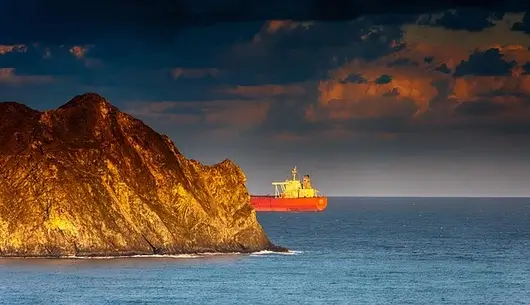
According to Geo News quoting shipping sources, a Pakistan National Shipping Corporation (PNSC) vessel has arrived at Saudi Arabia’s Yanbu port and will depart for Karachi carrying 73,000 tons of crude oil.
Second Vessel Loads Oil Successfully
Shipping sources confirm that another PNSC vessel, Shalamar, has also successfully loaded oil from the war zone. The Shalamar loaded its cargo from Fujairah and has departed for Karachi, ensuring continued supply despite the closure of the strategic waterway.
However, the closure has not been without disruption. Due to the Strait of Hormuz shutdown, two PNSC vessels remain stranded in Karachi, along with a chartered oil ship, unable to transit through the blocked strait.
Strategic ‘Safety Valve’ for Energy Security
Energy experts describe the Red Sea route as a critical “safety valve” for Pakistan’s energy security amid the regional crisis.
Prior to the escalation, approximately 138 ships daily transited through the Strait of Hormuz. That number has now dwindled to just two, forcing regional energy importers to seek alternative routes.
The use of Yanbu port via the Red Sea is emerging as a strategic alternative for Pakistan, ensuring uninterrupted supply of essential crude oil.
Saudi Arabia Facilitates Alternative Route
The Government of Pakistan made a special request to Saudi Arabia to permit the use of Yanbu port as an alternative supply route. Saudi Arabia accepted the request and has assured Pakistan of uninterrupted oil supplies.
High-level consultations were held between the two countries, with Federal Minister for Petroleum Ali Pervez Malik and Saudi Ambassador Nawaf bin Saeed Al-Malki participating in discussions to operationalize the alternative route.
Importance of Red Sea Route
The Red Sea is one of the world’s busiest maritime highways, located between the Middle East and Northeast Africa. This sea route connects the continents of Asia and Europe and links to the Mediterranean Sea via the Suez Canal, making it critically important for global trade.
For Pakistan, access to this route through Saudi cooperation represents a significant diplomatic and logistical achievement, ensuring that the country’s energy needs can be met despite the unprecedented regional crisis.
The successful diversion of oil supplies demonstrates the strength of Pakistan-Saudi bilateral relations and provides a template for managing energy security during times of regional conflict.