 NewsMakers-Daily Latest Urdu Breaking News Updates We Make Better News
Tuesday, 24 March 2026 | Web Desk
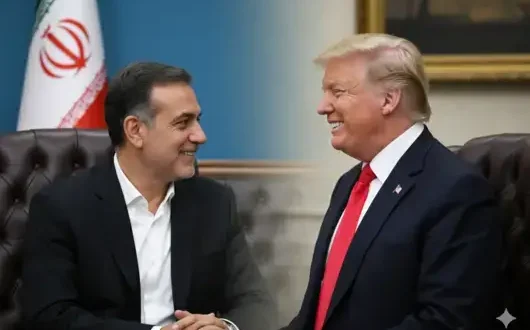
Pakistan has signaled its readiness to host potential negotiations between the United States and Iran, as backchannel diplomatic efforts intensify to end the ongoing military conflict in the Middle East.
Foreign Office spokesperson Tahir Hussain Andrabi confirmed Pakistan’s position while responding to media queries about reports suggesting Islamabad could serve as a venue for high-level talks between the two adversaries.
“If the parties agree, Pakistan is always ready to host negotiations,” Andrabi stated .
Israeli Media Reports Possible Islamabad Meeting
Israeli media outlets have reported that high-level US and Iranian officials could meet in Islamabad as early as this week, citing progress in behind-the-scenes discussions . According to these reports, discussions have advanced to a stage where face-to-face meetings between senior representatives of both countries are being considered.
Potential participants in such talks could include:
- Iran: Parliament Speaker Mohammad Bagher Ghalibaf and other senior officials
- United States: Special Envoy Steve Witkoff, Jared Kushner, and possibly Vice President JD Vance
Coordinated Diplomatic Push by Regional Powers
Pakistan’s diplomatic outreach is part of a broader coordinated effort alongside Turkey and Egypt, which have emerged as key facilitators in de-escalating tensions. These three nations have been credited with helping secure a five-day pause of US plans to strike Iranian energy infrastructure—a window that diplomatic sources say is being used to pursue a more durable resolution .
A source familiar with the backchannel described the effort as “more than just crisis management” and said the three countries were “walking the talk to bridge the gap between Washington and Tehran”.
“The strategic synergy between Ankara, Cairo and Islamabad has established a vital diplomatic conduit, demonstrating that regional cooperation is the most effective antidote to escalation,” the source added.
High-Level Contacts Underway
The diplomatic push has involved multiple high-level engagements:
- Prime Minister Shehbaz Sharif spoke with Iranian President Masoud Pezeshkian, expressing concern over the “dangerous ongoing hostilities” and stressing the urgent need for de-escalation
- Deputy Prime Minister and Foreign Minister Ishaq Dar also held talks with Iranian Foreign Minister Abbas Araghchi
- According to the Financial Times, US President Donald Trump reportedly spoke with Chief of Defence Forces Field Marshal Asim Munir around the time he announced the postponement of strikes on Iranian power plants.
Iran Denies Negotiations, Calls Trump’s Claims ‘Psychological Warfare’
Despite the flurry of diplomatic activity, Iranian officials have publicly denied that any negotiation process is underway. The Iranian Foreign Ministry dismissed President Trump’s claims of “positive talks” as an attempt to lower energy prices and gain time for military planning.
A senior Iranian security official characterized Trump’s statements as “psychological warfare” and maintained that Iran’s threat of retaliatory strikes had forced the US to postpone its planned attacks.
Tehran has stated that any resolution must include:
- Guarantees against future US or Israeli attacks
- Reparations for damage
- Recognition of its rights
- A comprehensive regional arrangement
- A framework for navigation through the Strait of Hormuz
Pakistan’s Unique Position as Mediator
Analysts point to Pakistan’s unique position as a credible mediator. The country maintains strong ties with both Washington and Tehran while hosting no US military bases on its territory—a factor that has spared it from Iranian retaliatory strikes. It also shares deep religious ties with Iran as the country with the world’s second-largest Shia Muslim population.
As a nuclear-armed state heavily reliant on the Strait of Hormuz for oil imports, Pakistan has a direct stake in resolving the conflict. Disruption to energy supply chains could trigger a severe economic crisis, while the collapse of neighboring Iran would further destabilize Pakistan’s already challenging security environment.
US Confirms Progress
The Trump administration has offered a more optimistic assessment. Trump announced Monday that Washington had held “very good and productive conversations” with Tehran, suggesting they could lead to a “complete and total resolution” of hostilities . Officials indicated that the indirect messaging facilitated by Pakistan, Turkey, and Egypt helped create the conditions for the current pause.
Expert Skepticism
Despite the diplomatic momentum, some analysts question whether actual negotiations will materialize. Sanam Vakil, a researcher at Chatham House, noted that “neither side shows willingness to compromise,” adding that “Iran, whose survival is at stake, is unlikely to surrender easily”.
The coming days will determine whether Pakistan’s offer to host talks translates into a formal diplomatic breakthrough or remains a fleeting window of opportunity in an otherwise devastating conflict.