 NewsMakers-Daily Latest Urdu Breaking News Updates We Make Better News
Web Desk
May 17, 2026
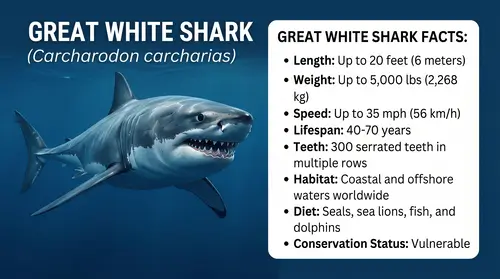
PERTH – A surfer has died after being attacked by a massive great white shark off the coast of Western Australia’s popular tourist destination, Rottnest Island, according to Australian media reports.
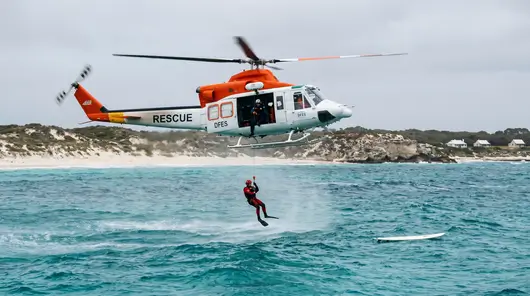
The victim was severely injured in the attack and was rushed to a nearby hospital by rescue teams, where he later succumbed to his wounds during treatment.
Attack Happened at Iconic Tourist Spot
The horrific incident occurred off the northwest coast of Rottnest Island (known locally as Wadjemup), a world-renowned destination famous for its white sandy beaches, surfing, diving, and unique quokka population.
The attacker was described as a 13-foot (approx. 9.75 meters) great white shark – an unusually large specimen, as great whites typically range between 11 and 21 feet (3.4 to 6.4 meters).
The scene quickly turned from a day of recreation to a fatal emergency as nearby surfers and beachgoers watched in horror.
Authorities Issue Urgent Warnings
In response to the fatal mauling, Western Australian authorities have issued an unusually high alert, urging all swimmers, surfers, and divers to exercise extreme caution in the waters surrounding the popular island.
Beaches in the area may face temporary closures as officials attempt to track the shark’s movements and ensure public safety.
Australia’s History of Shark Encounters
Australia is among the countries with the highest number of shark attacks globally, largely due to its extensive coastline and marine biodiversity.
According to official and research records, nearly 1,300 shark attacks have been documented in Australia since 1791. For comparison, the United States also records frequent incidents, particularly in Florida and Hawaii, with South Africa and Brazil also having notable numbers of attacks.
The country has implemented various mitigation strategies over the years, including:
- Aerial patrols of popular beaches
- Drumlines and shark nets in high-risk areas
- Shark tagging and tracking programs
- Beach closures following sightings or attacks
Global Context
Globally, an average of 70 to 100 shark attacks are reported each year. However, not all are fatal. Australia accounts for a significant percentage of these incidents, often ranking second after the United States in total number of unprovoked attacks.
The 2026 fatality marks another somber addition to Australia’s long history of dangerous encounters with great whites, which are responsible for the highest number of fatal bites worldwide due to their size, power, and inquisitive nature.
Rottnest Island: A Popular Yet Dangerous Coastline
Rottnest Island, located about 19 kilometers (12 miles) west of Perth, attracts hundreds of thousands of visitors annually for its clear waters, reefs, and abundant marine life. However, its waters are also part of the migratory routes for great white sharks, especially during cooler months.
The island has experienced shark attacks in the past, though fatalities remain rare relative to the number of visitors. The last fatal shark attack at Rottnest Island occurred in January 2016 when a 60-year-old man was killed while diving with his daughter.
Ongoing Investigation
Authorities are working to confirm the exact species and size of the shark involved in the May 17 attack. Meanwhile, marine biologists are reminding the public that while great white sharks are protected in Australian waters, their presence near popular beaches is a natural phenomenon that requires ongoing risk management.