 NewsMakers-Daily Latest Urdu Breaking News Updates We Make Better News
July 25, 2025 | NewsMakers Web Desk
European diplomats will meet Iran’s Deputy Foreign Minister Kazem Gharibabadi in Istanbul on Friday in a fresh attempt to revive talks over Tehran’s nuclear enrichment program.
According to The New York Times, the meeting, which comes at a time of escalating tensions, will not include foreign ministers and is seen as a preliminary effort resume talks. Britain, France, and Germany have been urging Iran to return to negotiations with the United States and demonstrate a clear commitment to a civilian-only nuclear program — a claim increasingly questioned due to Iran’s enrichment of uranium to near weapons-grade levels, enough for 10 nuclear weapons.
The talks ended on a diplomatic deadlock after Israel launched a 12-day military operation last month that inflicted significant damage on Iran’s nuclear installations. In response, Tehran stopped its already fragile diplomatic engagement with Washington.
The Stakes
The urgency stems from the looming expiration of the 2015 Joint Comprehensive Plan of Action (JCPOA) — a landmark agreement under which Iran had agreed to curb its nuclear program in exchange for sanctions relief. The deal officially expires in mid-October, but European powers have hinted they may extend the deadline — recognizing that once sanctions are reimposed, their diplomatic leverage diminishes.
If Iran continues to resist engagement, the European trio has threatened to trigger a “snapback” mechanism, restoring the severe United Nations and multilateral sanctions that were lifted under the JCPOA. They warn that without a new agreement or meaningful progress, sanctions may come in effect by the end of August.
Iran’s Position and Warning
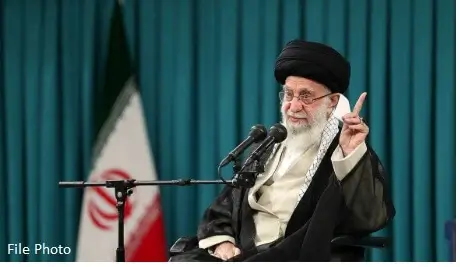
Iran has pushed back firmly. This week, Deputy Foreign Minister Gharibabadi reiterated Tehran’s right under the Nuclear Nonproliferation Treaty (NPT) to enrich uranium, although he acknowledged that the damage from recent attacks had halted current enrichment activities. Foreign Minister Abbas Araghchi also confirmed the “serious and severe” impact on Iran’s nuclear infrastructure but maintained Iran’s refusal to abandon enrichment entirely.
Tehran has threatened to quit the NPT altogether and cut off cooperation with the International Atomic Energy Agency (IAEA) if sanctions are reinstated. Iranian officials have also opened the door to renewed negotiations — but only under the condition of guarantees against further attacks.
Global Stakes and Diverging Views
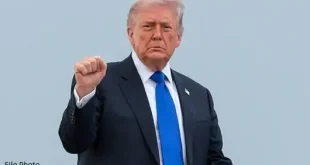
While the United States and Israel continue to demand a full cessation of Iran’s enrichment, some European officials suggest they could accept strict limits and tighter monitoring instead. Still, they are concerned that former U.S. President Donald Trump — who withdrew from the JCPOA in 2018 — may no longer be committed to finding a diplomatic solution, particularly after the recent bombing campaign.
Ellie Geranmayeh, an Iran expert at the European Council on Foreign Relations, warns that without a credible extension or progress in talks, the current diplomatic framework may collapse for decades. She has advocated for a one-year extension to allow time for deeper talks and for the IAEA to assess Iran’s capabilities and compliance.
Meanwhile, Iran continues to coordinate closely with Russia and China, both of whom are signatories to the 2015 deal. The three allies reportedly discussed strategies this week to mitigate the fallout from possible renewed sanctions.
As the August deadline approaches, the Istanbul meeting may be the final diplomatic opening to avoid a return to confrontation — or even military escalation — in the already volatile Middle East.