 NewsMakers-Daily Latest Urdu Breaking News Updates We Make Better News
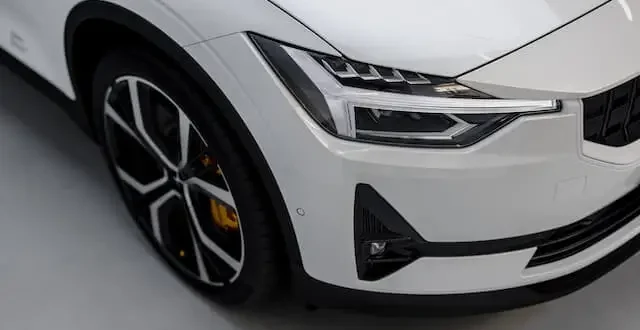
Pakistan’s automotive industry made a strong comeback in FY25, enjoying double- and even triple-digit growth across most vehicle categories. This highlights a renewed wave of consumer confidence and a broader economic recovery, fueled by stable macroeconomic conditions, deflating inflation, and a stronger rupee.
Overall Car Sales Increased
The Pakistan Automotive Manufacturers Association (PAMA) reported that passenger car sales increased 38%, reaching 112,203 units, compared to 81,579 units in FY24. This marks one of the strongest annual performances in recent years, underpinned by lower interest rates, better vehicle financing options, and rising demand for feature-rich, fuel-efficient vehicles.
Segment-wise Performance: Revival Across the Board
Light commercial vehicles (LCVs), pickups, vans, and SUVs posted a 61% surge in sales, reaching 35,820 units from 22,250 — reflecting a rebound in small business activity and logistics demand.
Truck sales more than doubled, recording a 103% increase to 4,444 units, while bus sales grew 74%, signaling renewed investment in commercial transport and infrastructure.
The two- and three-wheeler market, often seen as a barometer of urban mobility trends, climbed 32%, with sales hitting 1.518 million units — driven by rising demand for affordable mobility solutions.
However, not all sectors shared the momentum. Tractor sales nosedived by 36.4%, down to 29,192 units from 45,911, underlining ongoing stress in the agriculture sector due to weak rural incomes and low farm yields — a sharp contrast to the overall upbeat trend.
Suzuki Cars Take Lead
Pak Suzuki Motor Company (PSMC) maintained its dominance with 72,685 units sold — a 34% increase, buoyed by its focus on affordability and wide service network.
Toyota’s Growth
Indus Motor Company (Toyota) saw a 61% growth, selling 33,393 units, driven by hybrid variants and robust consumer loyalty.
Honda Atla & Hyundai Nishat
Honda Atlas Cars Limited recorded 18,296 unit sales (+38%), while Hyundai Nishat grew 20%, reaching 10,954 units.
Haval’s Remarkable Performance
Sazgar Engineering stood out with a remarkable 102% increase, selling 10,844 units — largely on the back of strong demand for the facelifted Haval series, showcasing the rising appeal of tech-forward SUVs.
What’s Ahead:
Green Tech and Consumer-Centric Innovation
Looking forward to FY26, analysts anticipate sustained growth powered by:
Lower borrowing costs
Rising availability of hybrid and plug-in hybrid vehicles
The potential launch of locally assembled EVs
A shift toward sustainable urban mobility
New Car Models
The market is also expected to benefit from new model introductions across fuel technologies, including mild hybrids, battery electric vehicles (BEVs), and smart in-car features that cater to evolving consumer preferences.
Bottom Line: Pakistan’s auto sector is not just recovering — it’s transforming. With rising tech integration, favorable policies, and growing consumer appetite for value-packed, eco-conscious vehicles, FY26 could set the stage for a more resilient, diversified, and future-ready mobility landscape.