 NewsMakers-Daily Latest Urdu Breaking News Updates We Make Better News
Date: July 2, 2025 | NewsMakers Web Desk
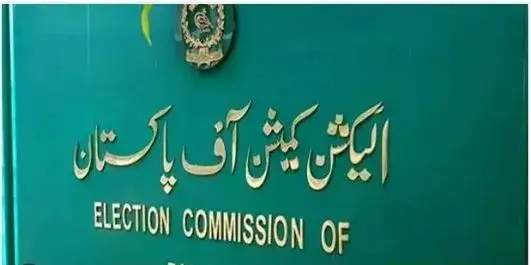
The Election Commission of Pakistan (ECP) has restored 74 reserved seats across the National and Provincial Assemblies in compliance with the Supreme Court’s June 27 decision, significantly benefitting the ruling coalition, especially the Pakistan Muslim League-Nawaz (PML-N), Pakistan Peoples Party (PPP), and Jamiat Ulema-e-Islam (JUI-F).
According to an official notification issued by the ECP, the decision to restore these seats comes in line with the apex court’s ruling which set aside an earlier verdict that had led to the withdrawal of these reserved seat allocations.
Party-wise Allocation of Restored Seats
- PML-N: 43 seats
- PPP: 14 seats
- JUI-F: 12 seats
- Istehkam-e-Pakistan Party (IPP), PML-Q, ANP, MQM, and PTI Parliamentarians (PTI-P): 1 seat each
Breakdown by Assembly
National Assembly (19 seats)
- PML-N: 13
- PPP: 4
- JUI-F: 2
Khyber Pakhtunkhwa Assembly (25 seats)
- JUI-F: 10
- PML-N: 7
- PPP: 6
- PTI-P and ANP: 1 each
Punjab Assembly (27 seats)
- PML-N: 23
- PPP: 2
- IPP and PML-Q: 1 each
Sindh Assembly (3 seats)
- PPP: 2
- MQM: 1
Background: Supreme Court Decision
On June 27, 2025, a 7-member larger bench of the Supreme Court, in a 5-2 majority ruling, approved review petitions filed against the earlier allocation of reserved seats. The court overturned its July 12, 2023 decision, which had barred several parties from claiming reserved seats due to technicalities linked to the Sunni Ittehad Council.
Pakistan’s Parliament Warns India
While revoking that verdict, the Supreme Court upheld the Peshawar High Court’s ruling, which denied reserved seats to the Sunni Ittehad Council, paving the way for the reinstatement of allocations to other parties.
The ECP said the new notifications are issued in strict compliance with the Supreme Court’s directives.
Political Implications
The restoration of reserved seats is a major boost to the ruling coalition, especially PML-N, which gains 43 seats alone. The development strengthens the party’s position in both the National and Punjab Assemblies and is likely to reinforce the overall stability of the current government setup.
With increased representation, PPP and JUI-F are also expected to hold stronger bargaining power within the coalition. Meanwhile, smaller parties like IPP, MQM, and ANP have each secured a presence through a single reserved seat.
Conclusion:
The Supreme Court’s ruling has significantly altered the parliamentary landscape by reaffirming the share of reserved seats among major parties, marking a key legal and political milestone in Pakistan’s evolving electoral dynamics.