 NewsMakers-Daily Latest Urdu Breaking News Updates We Make Better News
Web Desk
June 15, 2026
ISLAMABAD – The United States and Iran have reached a landmark peace deal, Pakistani Prime Minister Shehbaz Sharif announced early Monday, bringing an end to months of devastating conflict that began on February 28.
In a post on social media platform X, Sharif declared that both sides have agreed to the “immediate and permanent termination of military operations on all fronts, including in Lebanon”. The official signing ceremony will take place on Friday, June 19, in Switzerland.
Following intensive talks, we are pleased to announce that the Peace Deal between the United States of America and Islamic Republic of Iran has been REACHED. Both sides have declared the immediate and permanent termination of military operations on all fronts, including in…
— Shehbaz Sharif (@CMShehbaz) June 14, 2026
Trump Confirms Deal, Orders Strait of Hormuz Reopened
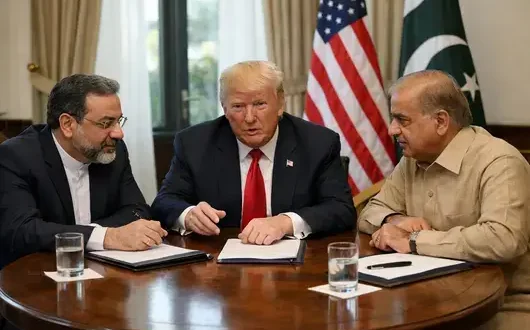
US President Donald Trump confirmed the agreement shortly after Sharif’s announcement, declaring on Truth Social: “The Deal with the Islamic Republic of Iran is now complete. Congratulations to all!”.
Trump further announced: “I hereby fully authorize the toll free opening of the Strait of Hormuz, and, simultaneously herewith, authorize the immediate removal of the United States Naval blockade. Ships of the World, start your engines. Let the oil flow!”
Key Provisions of the Peace Deal
| Provision | Detail |
|---|---|
| Military Operations | Immediate and permanent termination on all fronts, including Lebanon |
| Strait of Hormuz | Toll-free reopening for all international shipping |
| US Naval Blockade | Immediate removal |
| Iran’s Nuclear Program | Iran agrees to maintain nuclear status quo; no uranium enrichment or expansion of facilities until final deal |
| Frozen Assets | US to release $25 billion of Iranian assets |
| Signing Ceremony | June 19, 2026 in Switzerland |
Role of Pakistan and Regional Partners
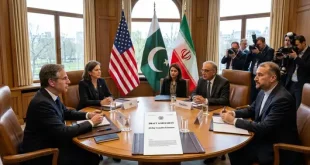
Pakistan played a central mediating role in brokering the deal, with Sharif expressing gratitude to key partners:
“We would also like to extend our sincere appreciation to our brothers in this mediation effort, the great leadership of the State of Qatar, for their support in reaching this agreement. I would also especially thank the visionary leadership of Kingdom of Saudi Arabia and Republic of Türkiye for their immense contributions in this regard”.
The Prime Minister specifically thanked President Trump, Vice President JD Vance, Steve Witkoff, Jared Kushner, as well as Iranian President Masoud Pezeshkian, Mohammad Bagher Ghalibaf, and Foreign Minister Abbas Araghchi for their commitment to finding a diplomatic solution.
Terms of the Agreement
According to multiple sources familiar with the draft deal:
- Military operations will cease immediately across all fronts, including in Lebanon where Israel has been engaged with Iranian-backed Hezbollah
- The Strait of Hormuz will be reopened to international shipping without tolls or harassment
- Iran’s nuclear program will be addressed during a 60-day period of additional technical talks
- Iran has agreed not to produce or acquire nuclear weapons, maintaining the nuclear status quo with no uranium enrichment or expansion of nuclear facilities until a final deal is reached
Multiple sources previously told Reuters that the draft deal would extend a ceasefire while leaving Iran’s nuclear program to be addressed during a 60-day period of additional talks.
Regional Context and Challenges
The announcement came despite an Israeli strike on Lebanon’s southern suburbs on Sunday, which drew criticism from both Iran and President Trump. Trump expressed frustration over the timing of the Israeli operation, stating that it “shook it up” and “delayed the signing by a few hours”.
Israel has stated it was not party to the planned US-Iran deal. Prime Minister Benjamin Netanyahu has differed with Trump over American demands that Israel curb its military action in Lebanon to allow the United States to reach a deal with Iran.
Iran’s Position
A senior Iranian official earlier told Reuters that under the terms of the draft deal, the United States would agree to release $25 billion of frozen Iranian assets, while Iran would agree not to produce or acquire nuclear weapons.
Iran’s state TV framed the deal as a victory for Tehran, reporting that the US “was forced to sign an agreement to end the war with the Islamic Republic of Iran and the Resistance Front”.
Next Steps
Following the announcement, mediators will facilitate a series of pre-implementation meetings this week. These discussions will lay the foundation for technical talks and the official signing ceremony in Switzerland on June 19
The conflict, which began when US and Israeli forces launched strikes across Iran on February 28, has resulted in thousands of casualties and severely disrupted global oil supplies due to the effective closure of the Strait of Hormuz.